What is formply, and why does the grade matter?
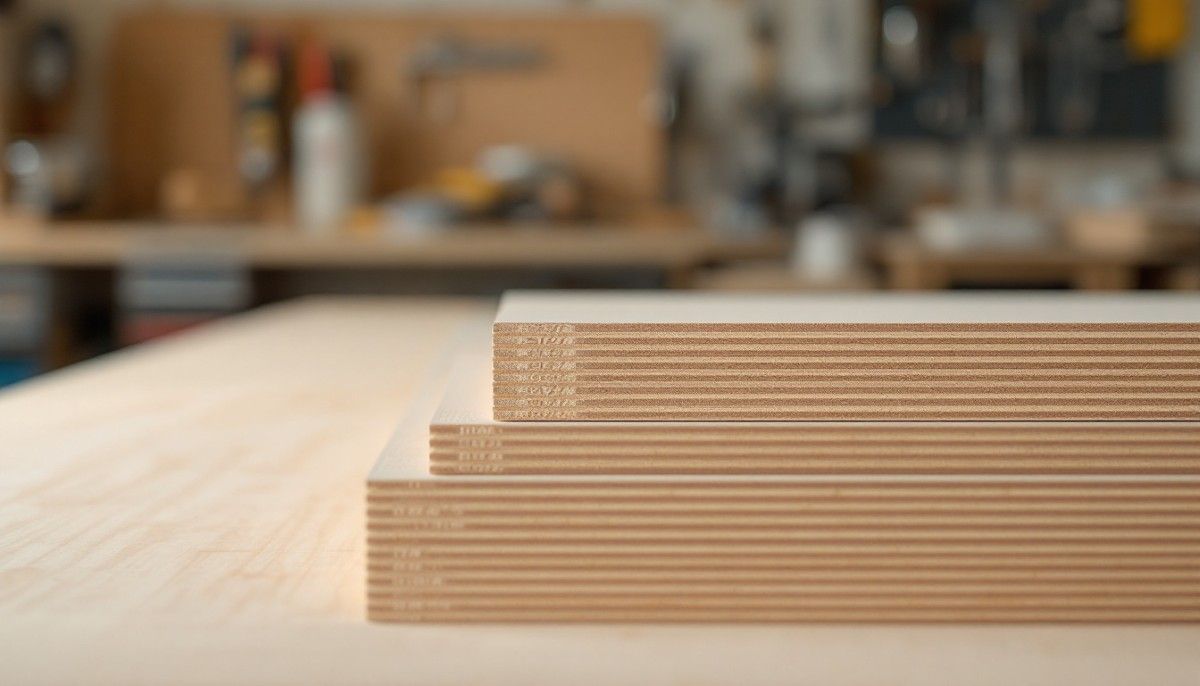
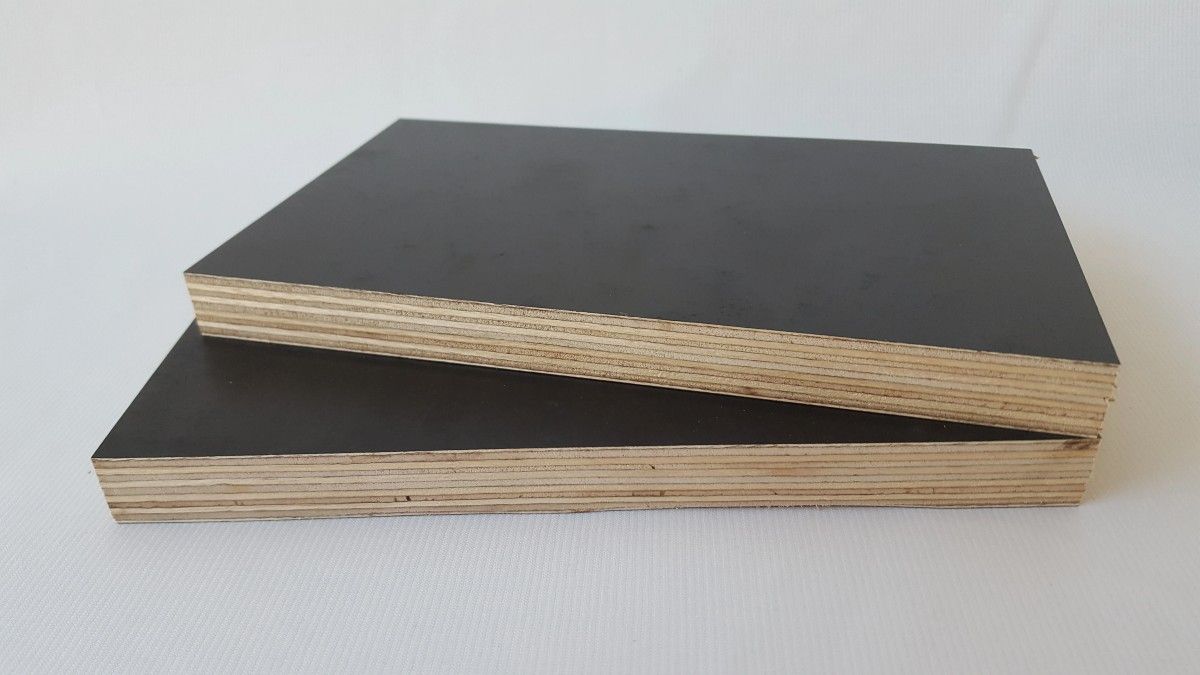
Formply is a structural plywood made for concrete formwork, usually with a phenolic film face to resist moisture and cement paste. The grade matters because it affects stiffness, durability, and how cleanly it releases from concrete.
If they choose a low-grade sheet for high-pressure pours, it can bow, print through, or delaminate early, costing more in rework than the sheet ever saved.
What should they check first: the standard, the stamp, or the supplier?
They should check the sheet identification first when selecting formply Australia, then confirm the supplier’s consistency. A clear stamp or edge marking helps verify the product type and intended use, and a reputable supplier helps ensure the batch is consistent across a full order.
If they are mixing sheets from different sources on the same pour, thickness and face quality can vary, which often shows up as uneven lines or patchy finishes when using formply Australia.
Which thickness is best for their pour and frame spacing?
The best thickness is the one that stays flat at their stud or joist spacing under the expected concrete pressure. Thicker sheets typically resist deflection better, especially on walls or tall pours where pressure is higher.
If their frames are widely spaced, stepping up thickness or tightening spacing usually delivers a better finish than trying to “push through” with a thinner board.
How important is the face film for concrete finish quality?
The face film is critical if they want a smooth, consistent surface. A high-quality phenolic film reduces water absorption, limits surface picking, and improves release, which usually means fewer blowholes and less patching.
If they only need a rough structural pour with no visual requirement, they can often prioritise strength and reuse over a premium finish face.
Should they choose F-grade, H-grade, or a purpose-specific formwork panel?
They should match the panel to the job demands rather than defaulting to the cheapest option. Higher performance formwork panels generally handle more cycles and harsher handling, which can reduce overall cost on bigger builds.
For small, one-off pours, a mid-range formply can be the practical choice, but on repetitive work, upgrading can pay back quickly through longer life and cleaner outcomes.
Other Resources : Part 3.2.5 Footing and slab construction | NCC
How many reuses should they realistically plan for?
They should plan for the number of reuses their handling and cleaning practices can actually support, not the best-case marketing number. Reuse life depends heavily on edge sealing, careful stripping, proper storage, and avoiding impact damage.
If the site is rough on sheets, it is often smarter to budget for fewer reuses and buy accordingly, rather than expecting premium performance from poorly managed panels.
What edge sealing and protection should they insist on?
They should insist on sealed edges and protect them during cutting and installation. The edges are where water gets in first, so unsealed cuts can swell, soften, and start delaminating quickly.
If they cut sheets on site, resealing exposed edges straight away is one of the simplest ways to extend panel life and keep faces flatter over repeated pours.
What coating and release agent choices affect the result?
They should use a release agent that suits the form face and the finish specification, applied consistently and sparingly. Too much release oil can stain concrete or cause surface defects, while too little can lead to tearing and face damage.
They should also avoid harsh scraping during cleanup, as it damages the film and reduces future finish quality.
How do they decide between price per sheet and cost per pour?
They should compare cost per pour, not price per sheet. A cheaper panel that fails early often costs more once they factor in replacements, labour, patching, and delays.
A simple check is to estimate expected reuses, then divide the sheet cost by that number, and add the likely labour impact if the finish quality is lower. Check out more about F14 Grade Plywood: What Does It Mean and When Should You Use It?
What common mistakes make formply underperform on site?
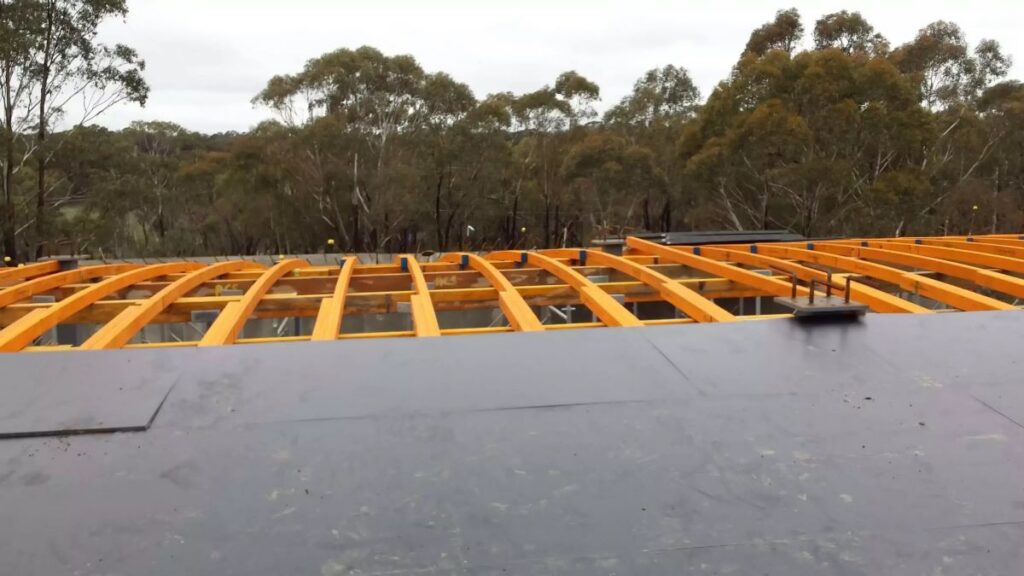
They usually underperform when sheets are stored poorly, edges are left unsealed, fixings are overdriven, or frames are uneven. These issues cause swelling, face damage, and deflection that shows up as lines, ripples, or blowouts.
They also lose life when they lever sheets off aggressively instead of stripping cleanly and maintaining the face.
What is a quick, practical checklist before they buy?
They should confirm the finish requirement, expected reuses, and framing spacing, then buy to that reality. If they do that, formply selection becomes a straightforward decision.
Quick checklist:
- What finish do they need: architectural, standard, or hidden?
- How many reuses are realistic for their crew and site?
- What spacing and pressure will the form face see?
- Are edges sealed, and can they reseal site cuts?
- Is the supplier consistent for the full quantity?
How should they choose the best formply Australia for their specific build?
They should choose the sheet that meets the structural demand, delivers the required finish, and survives the intended number of pours with their site practices. The “best” formply is the one that stays flat, strips cleanly, and keeps performing for the whole programme.
If they are unsure, they should match one area with a small trial pour first, then standardise the exact sheet and handling method across the job.
FAQs (Frequently Asked Questions)
What is formply and why does its grade matter for concrete formwork?
Formply is a structural plywood designed specifically for concrete formwork, typically featuring a phenolic film face to resist moisture and cement paste. The grade of formply matters because it influences stiffness, durability, and how cleanly the sheet releases from concrete. Using a low-grade sheet for high-pressure pours can lead to bowing, print-through, or early delamination, resulting in costly rework.
How do I verify the quality and consistency of formply sheets before purchase?
First, check the sheet identification through clear stamps or edge markings that verify the product type and intended use. Then, confirm the supplier’s consistency to ensure batch uniformity across your full order. Mixing sheets from different sources can cause variations in thickness and face quality, leading to uneven lines or patchy finishes on your pour.
Which thickness of formply should I choose based on my pour and frame spacing?
Select a thickness that remains flat at your stud or joist spacing under the expected concrete pressure. Thicker sheets generally resist deflection better, especially for walls or tall pours with higher pressure. If your frames are widely spaced, consider increasing sheet thickness or tightening frame spacing for a better finish rather than using thinner boards that may bow.
How important is the phenolic face film on formply for achieving a quality concrete finish?
The phenolic face film is critical for producing a smooth, consistent surface. A high-quality film reduces water absorption, limits surface damage during stripping, and improves release from concrete, resulting in fewer blowholes and less patching. For rough structural pours without visual requirements, you might prioritise strength and reuse over premium face quality.
What factors should influence my choice between F-grade, H-grade, or purpose-specific formwork panels?
Match the panel grade to your job demands rather than defaulting to the cheapest option. Higher performance panels typically withstand more cycles and harsher handling, which can reduce overall costs on larger projects. For small or one-off pours, mid-range formply may be practical; however, for repetitive work, investing in higher-grade panels often pays off through longer life and cleaner finishes.
How many reuses of formply sheets should I realistically plan for on site?
Plan reuses based on your site’s handling and cleaning practices rather than optimistic marketing numbers. Reuse life depends heavily on proper edge sealing, careful stripping techniques, correct storage, and avoiding impact damage. On rough sites with poor panel management, it’s wiser to budget for fewer reuses and purchase accordingly instead of expecting premium performance from poorly maintained sheets.