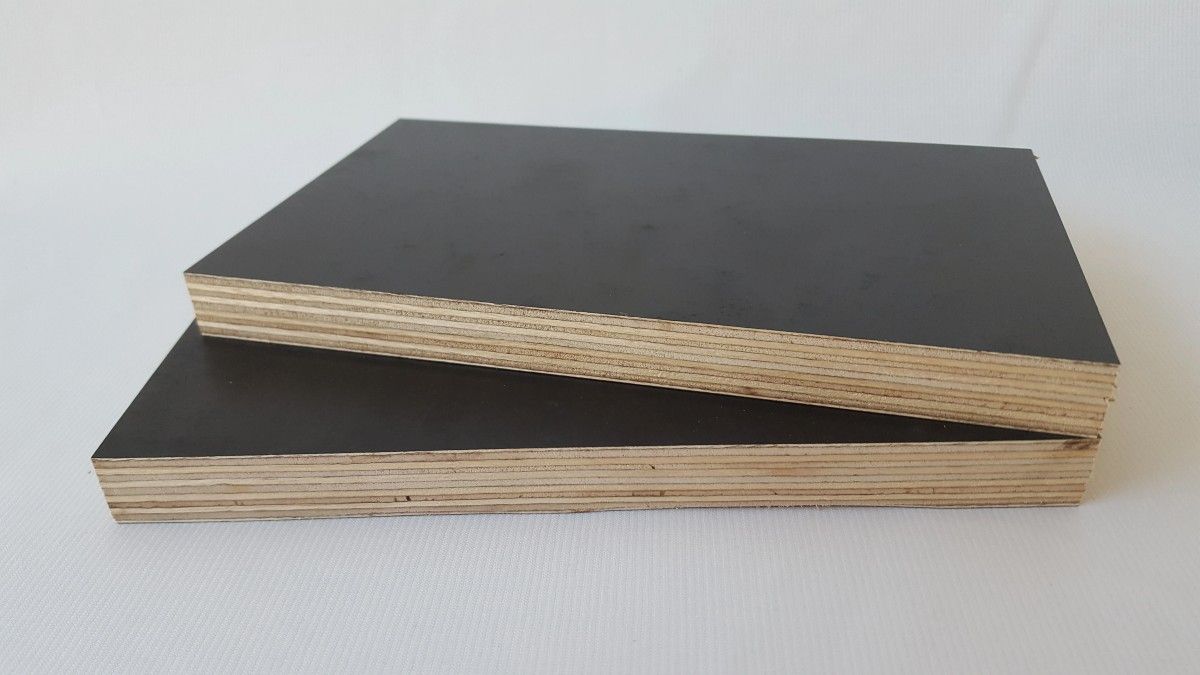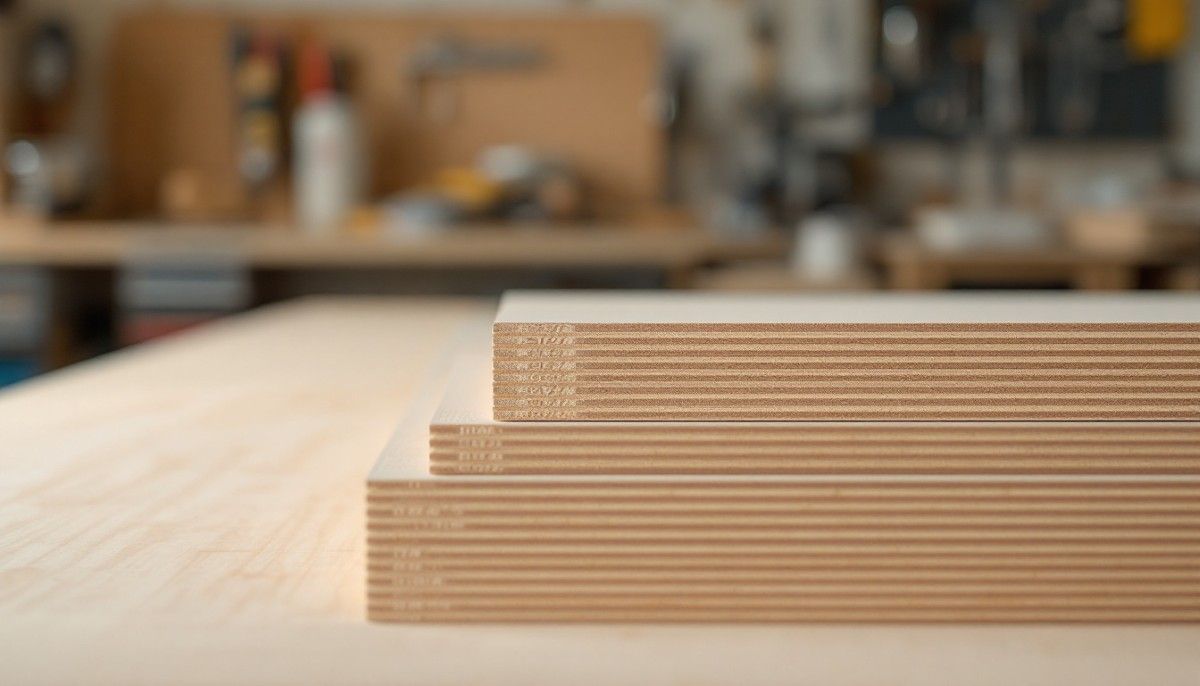
Because plywood grading can look cryptic, F14 is often misunderstood as a “quality” label. It is not. It is primarily a strength grade used in structural design and compliance contexts.
What does “F14” actually mean?
F14 refers to a strength grade where the “F” relates to bending strength and the number indicates the stress level the sheet is designed to resist. Put plainly, F14 Grade Plywood is engineered to handle higher structural loads than lower F-grades.
This grade is typically referenced in structural applications where engineers, builders, or building control need a predictable performance level. It is not the same thing as an appearance grade.
Is F14 the same as exterior, marine, or weatherproof plywood?
No. F14 is about structural strength, while exterior or marine terms relate to durability and adhesive or face quality. A sheet can be strong but still unsuitable for wet exposure if it is not manufactured for that environment.
If they need plywood in damp or outdoor conditions, they should check the bond class and durability rating, not just the F-grade. The correct choice usually depends on the full specification, not a single label.
What kinds of projects typically need F14 grade plywood?
F14 is commonly used where sheets form part of a load path, such as flooring, roofing, bracing, and some framing-related applications. It is chosen because it offers a dependable baseline for structural performance.
They are more likely to see F14 specified in renovation work that alters walls or floors, in decking substructures, or where a panel must span joists with known loads. It can also be used in site-built components that must resist flexing.
When is F14 plywood overkill?
It can be overkill for non-structural uses like cabinet backs, simple wall linings, packaging, or purely decorative panels. In those cases, the cost and weight of structural-grade sheets may bring little benefit.
If the plywood is only there to cover, divide, or tidy an area without carrying load, a non-structural panel is often more appropriate. They should still match the sheet type to the environment, especially where moisture is present.
How does F14 compare to other F-grades?
Higher F-numbers generally mean higher strength, and lower numbers generally mean lower strength. So, F14 usually sits above entry structural grades but below heavy structural grades specified for demanding spans and loads.
The practical takeaway is that F14 is a “proper structural” option for many everyday building tasks, but it is not automatically the best choice. They should choose based on span, load, and what the drawings or engineer specify.
Does F14 guarantee the plywood will look good?
No. F14 says nothing about face appearance, knots, patches, or cosmetic finish. Structural plywood can look rough because the faces are not graded primarily for furniture-style presentation.
If they need a clean visual finish, they should look for an appearance grade or a sanded face specification alongside structural requirements. A sheet can be F14 and still be visually inconsistent.
What should buyers check besides the F14 stamp?
They should check thickness, sheet size, bond class, and whether the panel is rated for interior or exterior exposure. They should also confirm the plywood is suitable for the intended application, including any bracing or flooring system it forms part of.
If the project involves compliance, they should look for recognised certification and markings that match local building requirements. In practice, a “correct” plywood choice is usually a combination of strength grade plus durability and manufacture standard. For broader due diligence guidance, refer to this resource on inspecting a property before buying and meeting compliance requirements.
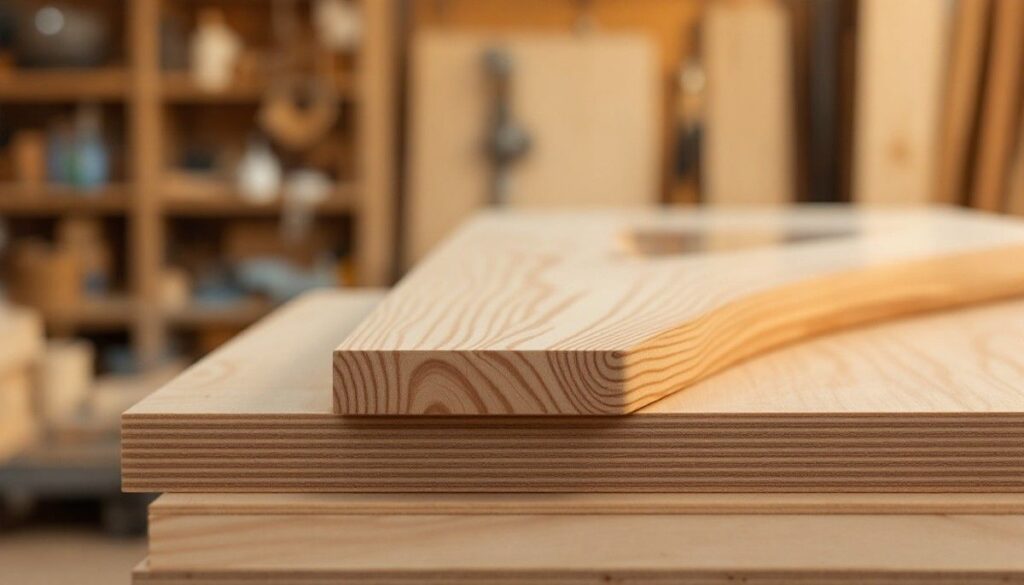
When should someone definitely choose F14 plywood?
They should choose F14 when a structural panel is required and the design calls for that grade, especially for floors, roofs, or bracing where predictable stiffness and strength matter. It is also a sensible default when they want a structural sheet and do not have a lower-grade structural option specified.
If there is any doubt about loads, spans, or exposure conditions, they should follow the engineer’s details or manufacturer’s installation guidance. Choosing the right plywood is less about guessing the strongest sheet and more about matching the panel to the job.
More to Read : How to Choose the Best Formply Australia for Your Build
FAQs (Frequently Asked Questions)
What does F14 grade plywood indicate?
F14 grade plywood indicates the structural strength of the sheet, specifically its bending strength. The ‘F’ relates to bending strength, and the number ’14’ represents the stress level the sheet is designed to resist, making it suitable for load-bearing applications.
Is F14 grade plywood suitable for exterior or marine use?
No, F14 grade plywood refers to structural strength and does not guarantee durability in wet or outdoor conditions. For exterior or marine applications, you should check the bond class and durability rating rather than relying solely on the F-grade.
In which types of projects is F14 plywood commonly used?
F14 plywood is commonly used in structural applications such as flooring, roofing, bracing, and framing where sheets form part of a load path. It provides a dependable baseline for structural performance in renovation work, decking substructures, and site-built components requiring resistance to flexing.
When might using F14 plywood be unnecessary or overkill?
Using F14 plywood can be overkill for non-structural uses like cabinet backs, simple wall linings, packaging, or decorative panels where load-bearing strength is not required. In such cases, non-structural panels are often more appropriate and cost-effective.
How does F14 compare to other F-grade plywood options?
F14 sits above entry-level structural grades but below heavy structural grades designed for demanding spans and loads. Higher F-numbers generally indicate higher strength. F14 is a proper structural option for many everyday building tasks but may not always be the best choice depending on specific project requirements.
Does an F14 rating guarantee a good-looking plywood surface?
No, an F14 rating pertains only to structural strength and does not guarantee face appearance or finish quality. Structural-grade plywood can have rough faces with knots or patches. For a clean visual finish, look for an appearance grade or sanded face specification alongside structural requirements.